


What actually happens during your period?
At school, you first come into contact with the menstrual cycle and then think that you have learned everything for life and will remember everything forever. We think it is definitely a good idea to take another detailed look at the whole topic to understand exactly what happens during menstruation and how you feel in the different phases of the cycle.
What actually happens during your period?
The menstrual cycle is the regular and natural sequence of the female reproductive system that makes reproduction possible. This incredible natural body function mainly takes place in the uterus and ovaries, where eggs are produced and the uterus prepares for possible fertilization. The menstrual cycle is controlled by the rise and fall of certain hormones and lasts from the first day of a period (bleeding) to the first day of the following period.
The average cycle lasts 28 days. In adults, it ranges between 21 and 35 days, and in teenagers, it can initially vary greatly. P.S. For this, read our Item, how you can talk to your teenager/daughter about the period. During the cycle, the body prepares for pregnancy. However, if fertilization does not occur, the uterus sheds its lining, and the period begins. This then leads to bleeding, which usually lasts 3 to 7 days and can be accompanied by other symptoms such as cramps and bloating.
Remember that the menstrual cycle is different for everyone and varies in length, bleeding intensity, and symptom severity. If you are concerned about your cycle or notice unusual symptoms, please consult your gynecologist.
How much blood do I lose during my period?
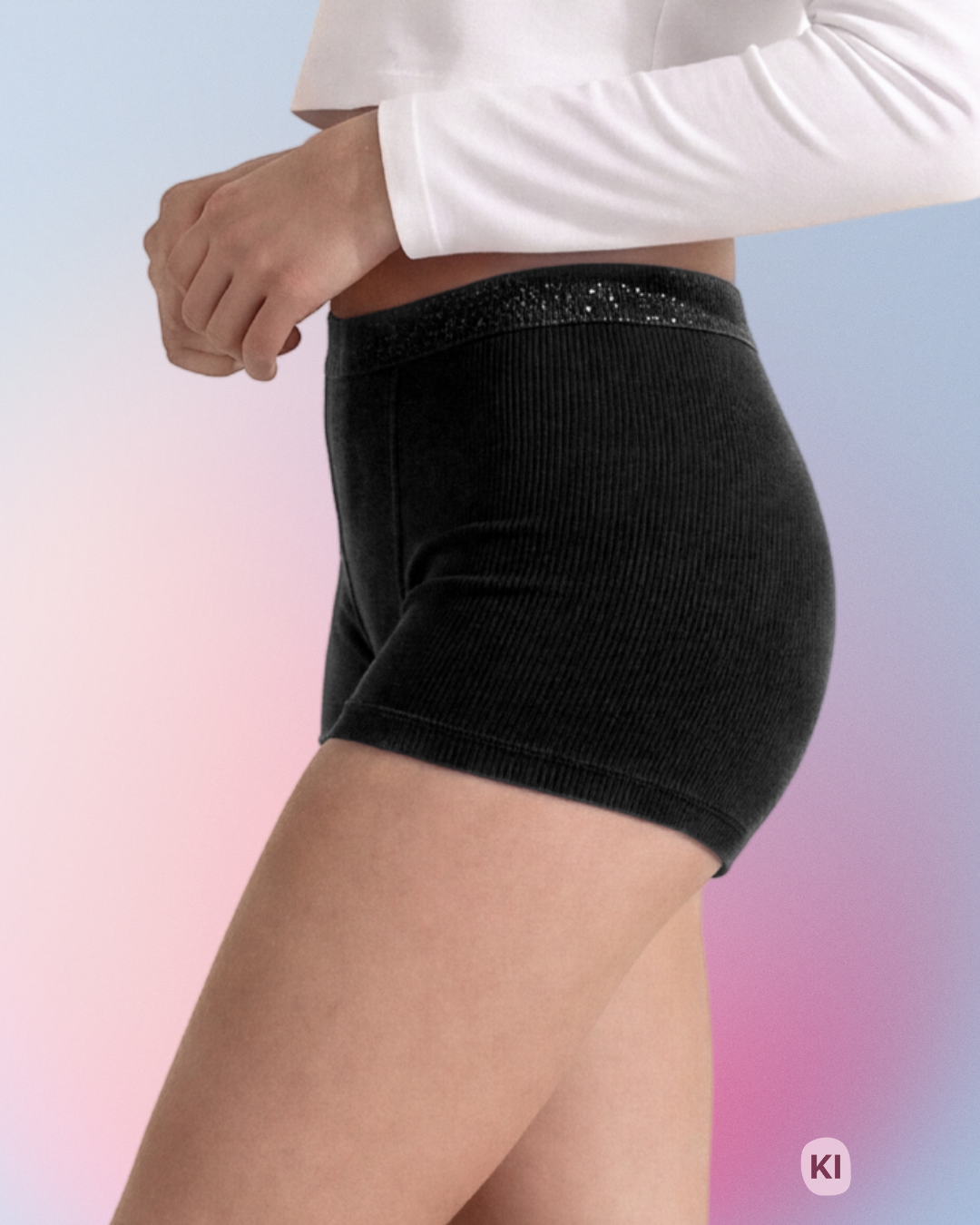
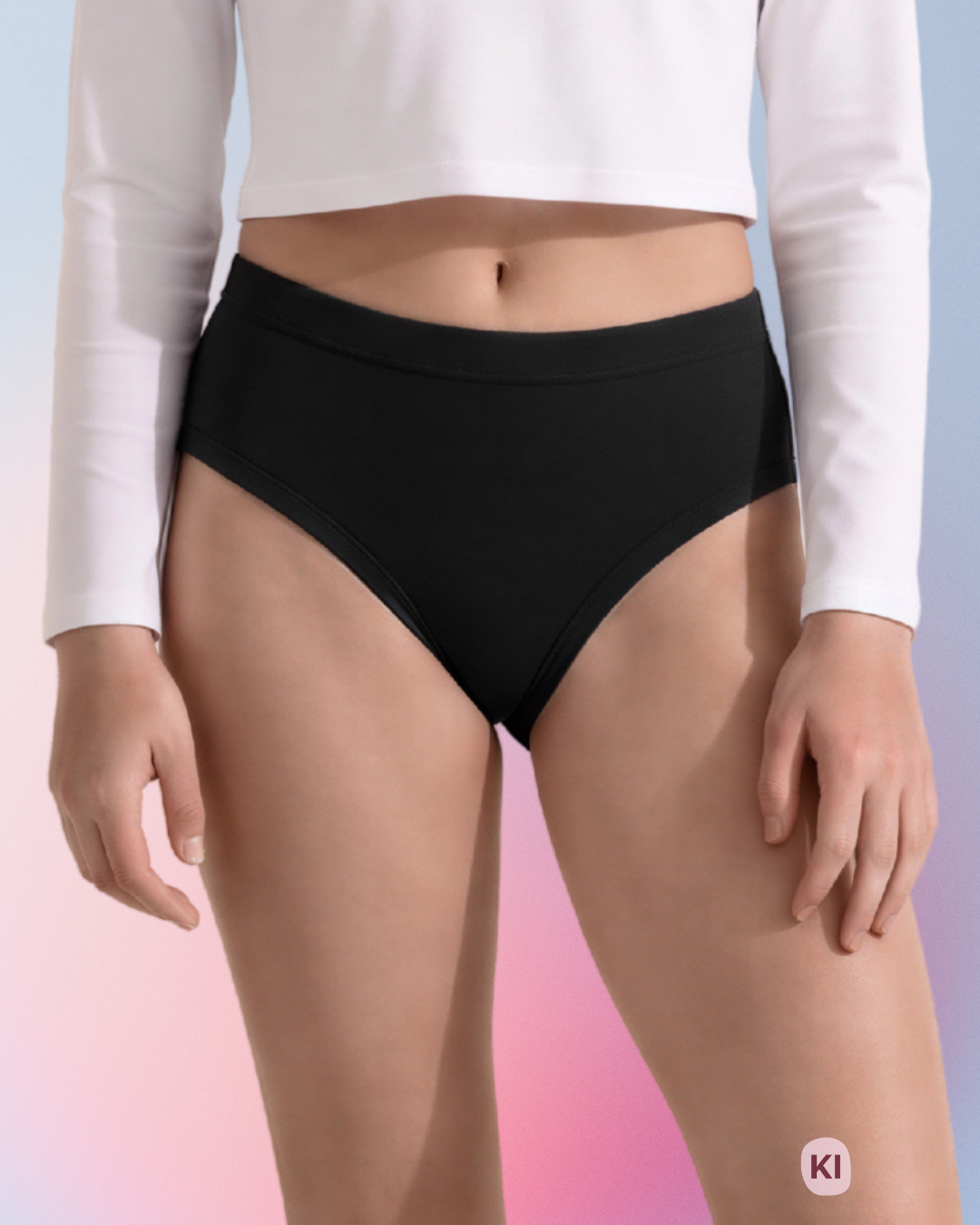
The amount of blood you lose during your period varies from person to person. Some people have very light days, while others experience very heavy cycles. It is also common for the amount of blood to vary on different days of the period and between individual periods. For example, the first two days of the period are usually much heavier than the last days. During a normal period, about 30-80 ml of blood is discharged. That is much less than most of us think. Our dais period underwear can hold up to 25 ml of blood, which is about 4 regular tampons. This means it is a very safe and absorbent product that keeps you dry and leak-proof all day long.
Which hormones change during the menstrual cycle and what effects do they have on me?
Several hormones in the body change during menstruation. These hormones are produced by the ovaries and the pituitary gland and regulate the menstrual cycle.
- Estrogen: One of the most important hormones that changes during menstruation is estrogen. Estrogen is produced in the ovaries and helps the uterine lining to build up and thicken. During menstruation, estrogen levels drop, which causes the uterine lining to break down and menstruation to begin.
- Progesterone: Another important hormone that changes during menstruation is progesterone. Progesterone is produced in the ovaries and helps the uterine lining to continue building up in case a pregnancy occurs. During menstruation, progesterone levels drop, which causes the uterine lining to break down and menstrual bleeding to begin.
- FSH and LH: The pituitary gland, a gland in the brain, also produces the hormones follicle-stimulating hormone (FSH) and luteinizing hormone (LH). FSH and LH play important roles in regulating the menstrual cycle and egg maturation. During menstruation, FSH and LH levels decrease, which helps delay ovulation and continue the menstrual cycle.
It is important to note that these hormones constantly fluctuate throughout the menstrual cycle and that every person has different hormone levels. The hormonal changes during menstruation are part of the normal physiological process and help prepare the body for a possible pregnancy.
What symptoms occur during the menstrual cycle?
Different symptoms occur in each phase of the menstrual cycle, especially in the days before and during the period itself. The most common physical symptoms include cramps in the lower abdomen or lower back, bloating, breast tenderness, headaches, nausea, and fatigue. What definitely always feels soothing is warmth, especially on the lower abdomen and lower back. For this, you can, for example, use the dais Heat/Cold Pads try it out! Besides the physical symptoms, emotional symptoms play a big role for many menstruating people! The classic PMS symptoms (premenstrual syndrome) are mood swings, irritability, sadness, and anxiety.
What happens if my period does not come?
There are many reasons why your period is late. It could of course be that you are actually pregnant, but it can also be due to many other factors such as stress, weight changes, exercise, or certain medications. It is also completely normal for the period to be slightly irregular, meaning it does not come at the same time every month. If you have been overdue for a while and have had unprotected sex, it is best to take a pregnancy test to be sure whether you are pregnant or not. Pregnancy tests are available at pharmacies, drugstores, or online. If you are not pregnant and are worried about why your monthly bleeding has not started, you should see your gynecologist so they can perform tests to determine the cause of your late period.
Teen Kollektion
Die erste Periode. dais hält dicht.






Read more
Period pain is a common symptom of the menstrual cycle. You usually feel it in the abdominal area, especially in the lower abdomen, and it can radiate to the back and thighs. Typically, menstrual c...

Unsere Partnerschaft mit CleanHub Seit 2022 arbeitet dais mit CleanHub zusammen. CleanHub baut in Regionen ohne ausreichende Abfallinfrastruktur Sammel- und Verwertungssysteme für Plastikabfälle au...
