How to Manage Cramps During Your Period
Period pain is a common symptom of the menstrual cycle. You usually feel it in the abdominal area, especially in the lower abdomen, and it can radiate to the back and thighs. Typically, menstrual cramps occur shortly before and during your period.
How painful are menstrual cramps?
The intensity of period cramps varies from person to person. Some report severe, cramp-like pain, while others feel it more dull and constant. There are conditions such as endometriosis or uterine fibroids that can make menstrual cramps especially painful. If no specific condition is present, the cramps often become weaker and occur less frequently with age. They also often improve after childbirth.
What causes cramps during your period?
During your period, your uterus sheds its lining and contracts. These contractions are triggered by hormone-like substances called prostaglandins, which are associated with menstrual pain and inflammation. The higher the prostaglandin level, the stronger the cramps usually are.
Various factors can influence how often and how severe cramps occur. For example, younger people under 30 years old suffer from them more often – especially if they entered puberty early. Heavy or irregular bleeding also increases the likelihood of pain. Additionally, it has been found that smoking can make cramps before and during the period more frequent and painful.
Conditions that can cause stronger period pain
Endometriosis: This is when uterine-like tissue grows outside the uterus. This leads to chronic inflammation and scarring in the pelvic area. One of the most common symptoms is severe menstrual cramps.
Uterine fibroids: These are benign growths in the uterus. They are usually harmless but can cause symptoms such as cramps, fatigue, and heavy bleeding.
Adenomyosis: Here, uterine tissue grows into the muscle layer of the uterine wall. This can cause the uterus to enlarge significantly, leading to unusual bleeding and very painful periods.
Pelvic inflammatory disease (PID): This is an infection, usually sexually transmitted. It often goes unnoticed but can cause pain.
How can you relieve menstrual cramps?
There are various ways to reduce period pain. Here are 5 top tips for pain relief:
-
-
Apply heat: Heat helps relax the muscles responsible for the cramps. You can, for example, place a heat or cold pack directly on the painful area.
-
Light exercise: Exercise can actually help relieve cramps. The release of endorphins during and after exercise reduces pain perception and relieves stress.
-
Take conscious time to relax: Stress can significantly worsen cramps. Try relaxation techniques such as yoga or meditation.
-
Eat healthily: Even though the craving for chocolate and chips is strong, a balanced diet can help. Vitamins and minerals such as vitamin B1 and magnesium can reduce menstrual cramps. They are found, for example, in whole grain products, spinach, and avocado.
-
Drink herbal teas: Similar to heat, herbal teas can also help. They have anti-inflammatory effects and can relieve muscle cramps.
-
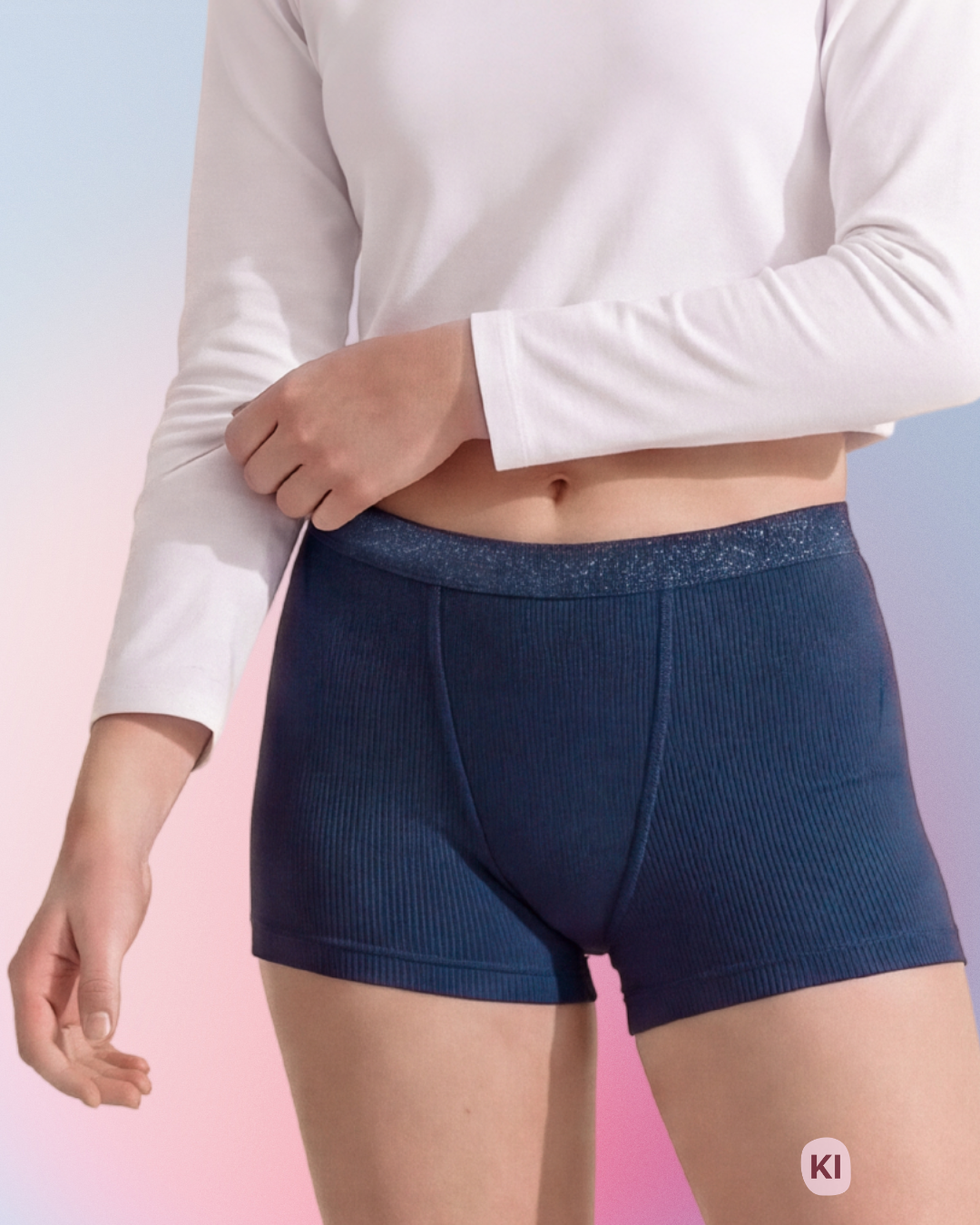
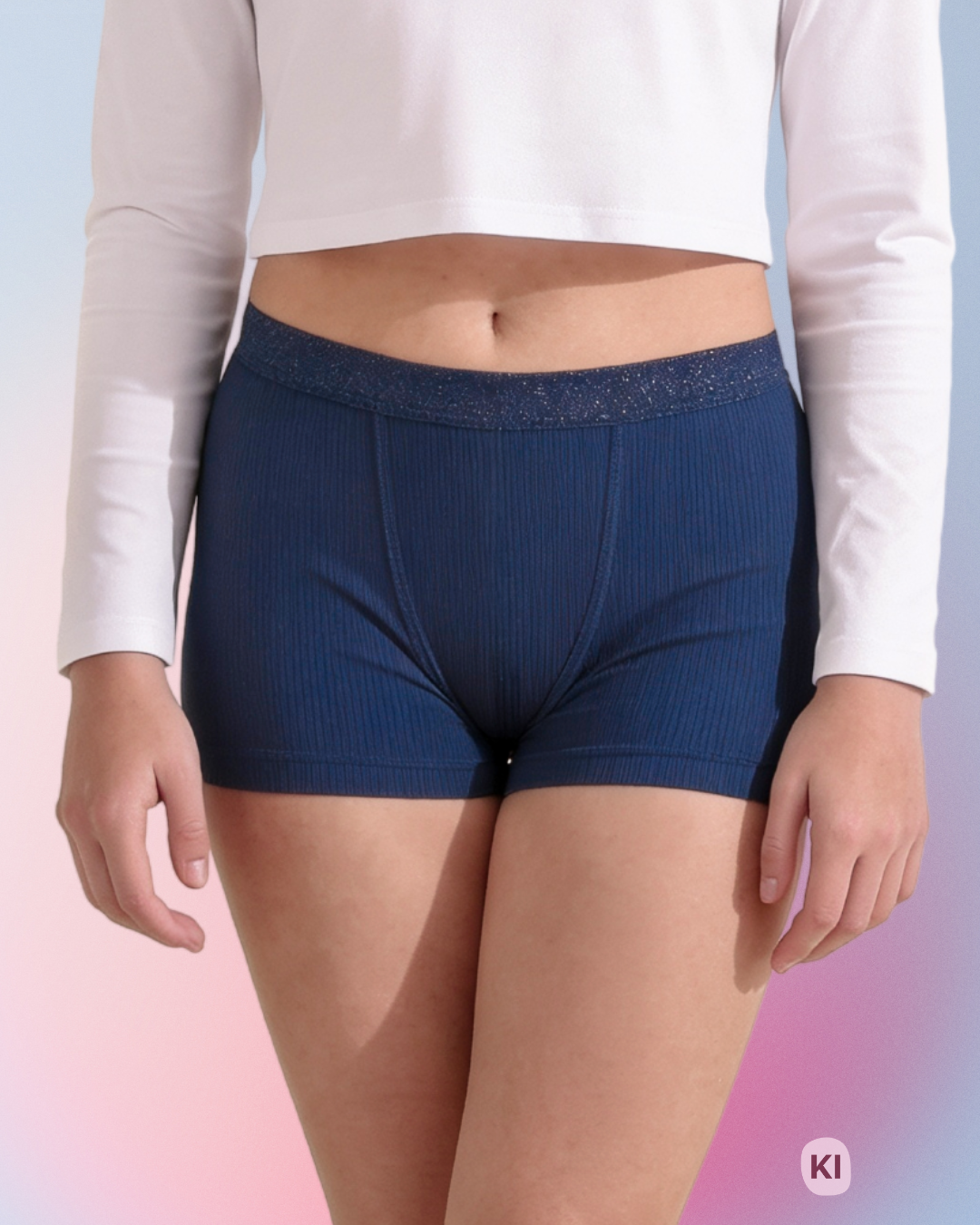
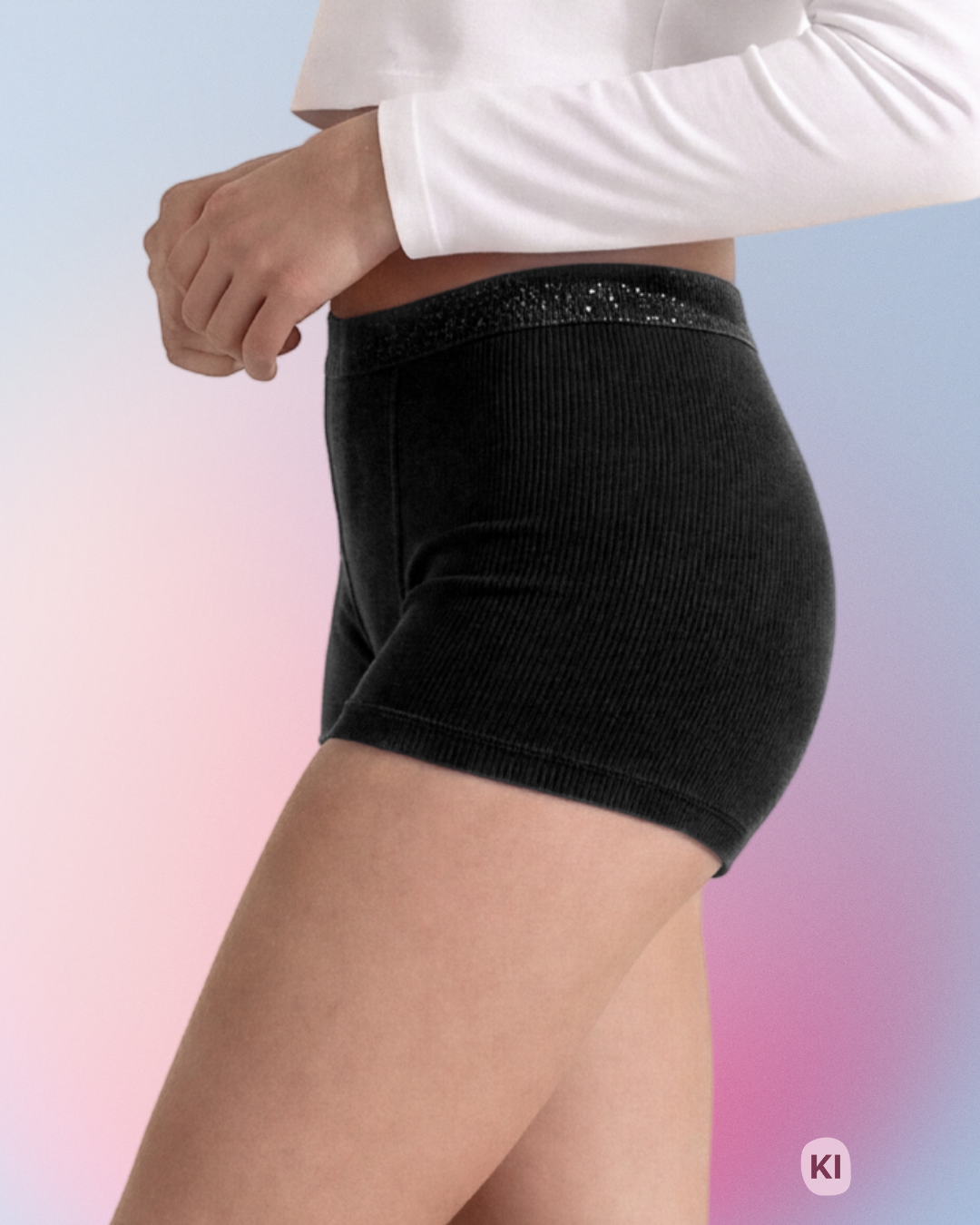
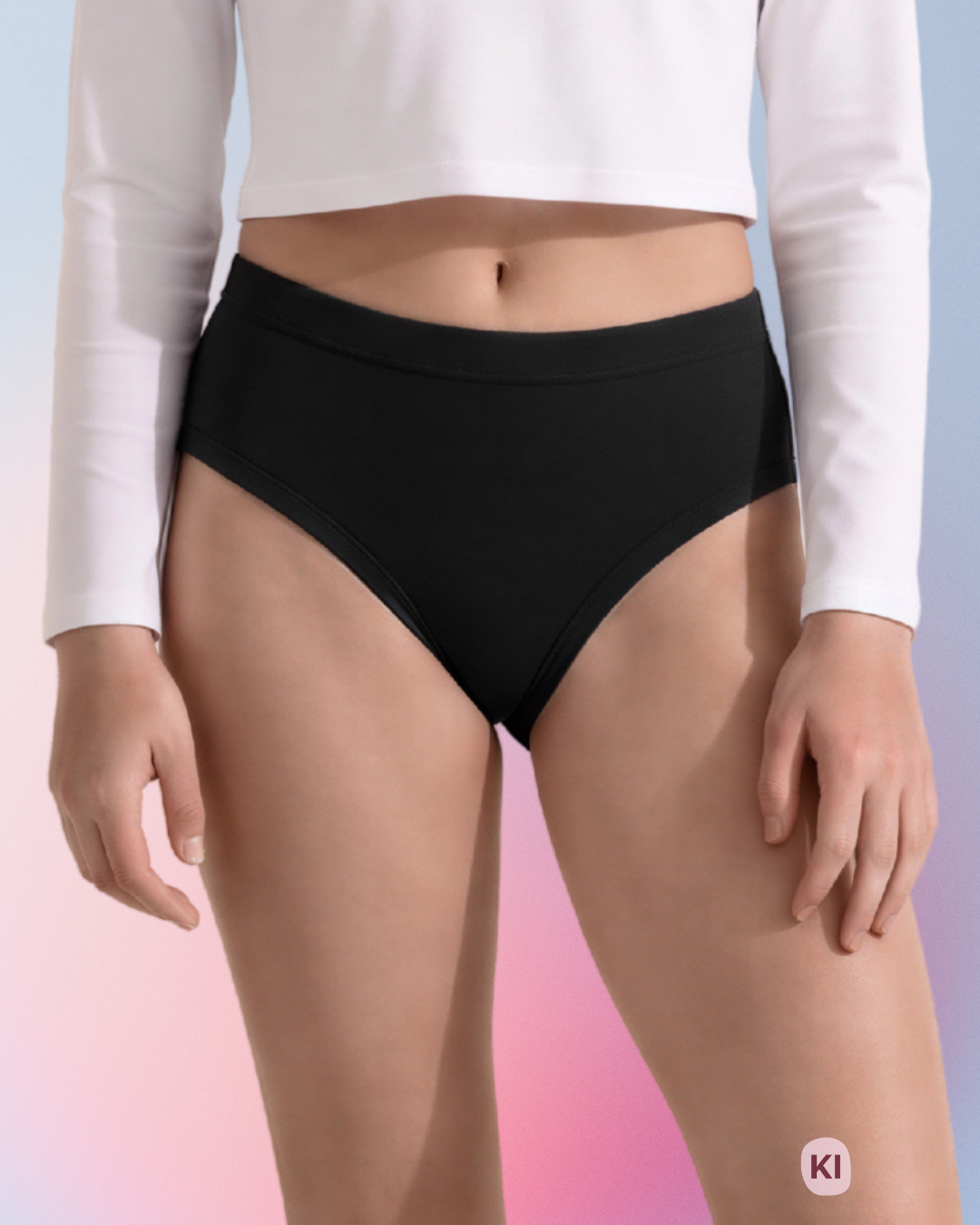
Teen Kollektion
Die erste Periode. dais hält dicht.





Read more
Period underwear can make your period easier, more relaxed, and more sustainable. But which absorbency do you need? How many pairs are sensible? And which model fits your daily life? In this guide,...
At school, you first come into contact with the menstrual cycle and then think that you have learned everything for life and will remember everything forever. We think it is definitely a good idea ...
